
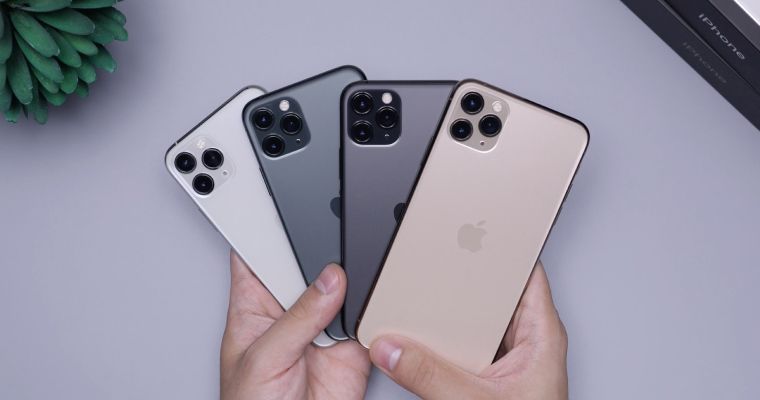
Apple has never been first to a new form factor—but it has often been the company that makes one finally matter. As whispers grow louder about a dual-screen or foldable iPhone potentially arriving in 2026 or 2027, the question is no longer if Apple is exploring the idea, but why now, and what problem it believes this design is meant to solve.
For years, Apple has resisted the foldable frenzy that swept through the Android ecosystem. While competitors raced to release bendable screens and hinge-heavy hardware, Apple stayed publicly silent, refining glass slabs and software ecosystems instead. That restraint may be exactly what makes this rumored device so significant.
Behind the scenes, however, patience should not be mistaken for inactivity. According to reporting from Bloomberg, Apple has been quietly researching multiple advanced display concepts, including dual-screen and foldable designs. Veteran Apple journalist Mark Gurman noted in a 2023 Power On newsletter, “Apple wants to make sure it can truly differentiate its product—and that the technology is mature enough to meet its standards.”
That emphasis on maturity matters. Dual-screen devices are not new. What is new is Apple’s insistence on making hardware disappear into experience. If a dual-screen iPhone arrives, it will not be framed as a novelty—it will be positioned as a natural evolution of how we work, learn, and create on mobile devices.
From a STEM perspective, the implications are substantial. A dual-screen iPhone could fundamentally change mobile multitasking, data visualization, and accessibility. Imagine coding on one screen while referencing documentation on the other, or running simulations alongside real-time data streams. For students, educators, and professionals—especially women navigating underrepresented STEM spaces—this could lower barriers between idea and execution.
There are also material science questions at play. Flexible OLED durability, hinge fatigue, thermal management, and battery efficiency remain unsolved challenges at scale. Apple’s delay suggests a deliberate attempt to avoid the fragility issues that have plagued early foldables. This is less about catching up—and more about setting a new baseline.
Still, restraint comes with risk. By 2026, consumers may already feel fatigue toward foldable narratives. The success of a dual-screen iPhone will depend not on its ability to bend, but on whether it meaningfully expands what users can do. Innovation, after all, is not defined by spectacle, but by usefulness.
Apple’s history suggests it understands this better than most. The original iPhone did not invent the smartphone—but it redefined the relationship between humans and technology. A dual-screen iPhone would need to do the same: not simply add more screen, but add more possibility.
If and when the device arrives, its real test will be cultural, not technical. Will it empower deeper learning, better workflows, and more inclusive access to digital tools? Or will it remain an expensive curiosity?
As readers, technologists, and STEM advocates, we should watch closely—not just for the launch date, but for the intention behind the design. Because when Apple finally moves, it rarely does so without a thesis.
It is a long-established fact that people do not fall in love with technology because it is new—but because it helps them see themselves as more capable.
— Shai Martin
Apple’s rumored dual-screen iPhone is not just about folding glass. It is about folding ambition, patience, and engineering discipline into a single object—and asking whether the future of mobile computing is ready to open up.